


Low vs. High Molecular Weight Hyaluronic Acid
You've probably heard the term hyaluronic acid because it’s an ingredient in many serums, moisturizers, and masks due to its ability to deeply hydrate the skin. But did you know there's more than one type? The two types are: low and high molecular weight hyaluronic acid. High molecular weight molecules sit on the surface to create a protective layer that locks in moisture and shields your skin against environmental stressors. Low molecular weight molecules penetrate deeper into the skin to replenish hydration and support the skin’s natural repair processes from within. Together, they help replenish volume, improve elasticity, and restore the skin’s luminous glow.
What is Hyaluronic Acid?
Hyaluronic acid (HA) is a “powerful bioactive molecule” in your skin, connective tissues, and eyes. HA’s main job is to keep your tissues hydrated and well-lubricated. What’s really impressive is that it can hold 1,000x its weight in water, plumping skin, smoothing fine lines, and giving you that dewy glow. Since our natural HA production drops as we age, adding it to your skincare routine can make a real, visible difference.

Molecular Weight of Hyaluronic Acid
When you see low or high molecular weight on a product label, it's referring to the size of the hyaluronic acid molecule. This size determines how deeply it can penetrate your skin and what benefits it will provide.
High Molecular Weight Hyaluronic Acid
High molecular weight hyaluronic acid is made of large molecules that can’t penetrate the skin’s surface. Instead, they sit on top of the skin to create a protective, moisture-locking barrier. Benefits of high molecular weight hyaluronic acid:
- Surface Hydration⎯It provides immediate hydration to the outermost layer of your skin, leaving it feeling soft and smooth.
- Skin Barrier Support⎯By creating a protective layer, it helps prevent water loss and shields the skin from environmental stressors.
- Instantly Plumps⎯This top-layer hydration can temporarily smooth out fine lines, giving your skin a softer, more even look.
High molecular weight hyaluronic acid is good for those with dry or dehydrated skin to help sealing in moisture.
Low Molecular Weight Hyaluronic Acid
Low molecular weight hyaluronic acid has much smaller molecules that can easily penetrate deeper into the skin's layers. Instead of sitting on the top of the skin, it works from within. Benefits of low molecular weight hyaluronic acid:
- Deeper Hydration⎯It delivers moisture to the deeper layers of the epidermis for longer-lasting hydration.
- Reduces Wrinkles⎯By plumping the skin from the inside out, it can have a more sustained effect on reducing the appearance of fine lines and wrinkles.
Low molecular weight hyaluronic acid is good for those concerned about preventing or showing signs of aging and want hydration that goes deeper than the skin’s surface. It also helps improve skin elasticity and firmness for long-term benefits.
Should You Choose High or Low Molecular Weight Hyaluronic Acid
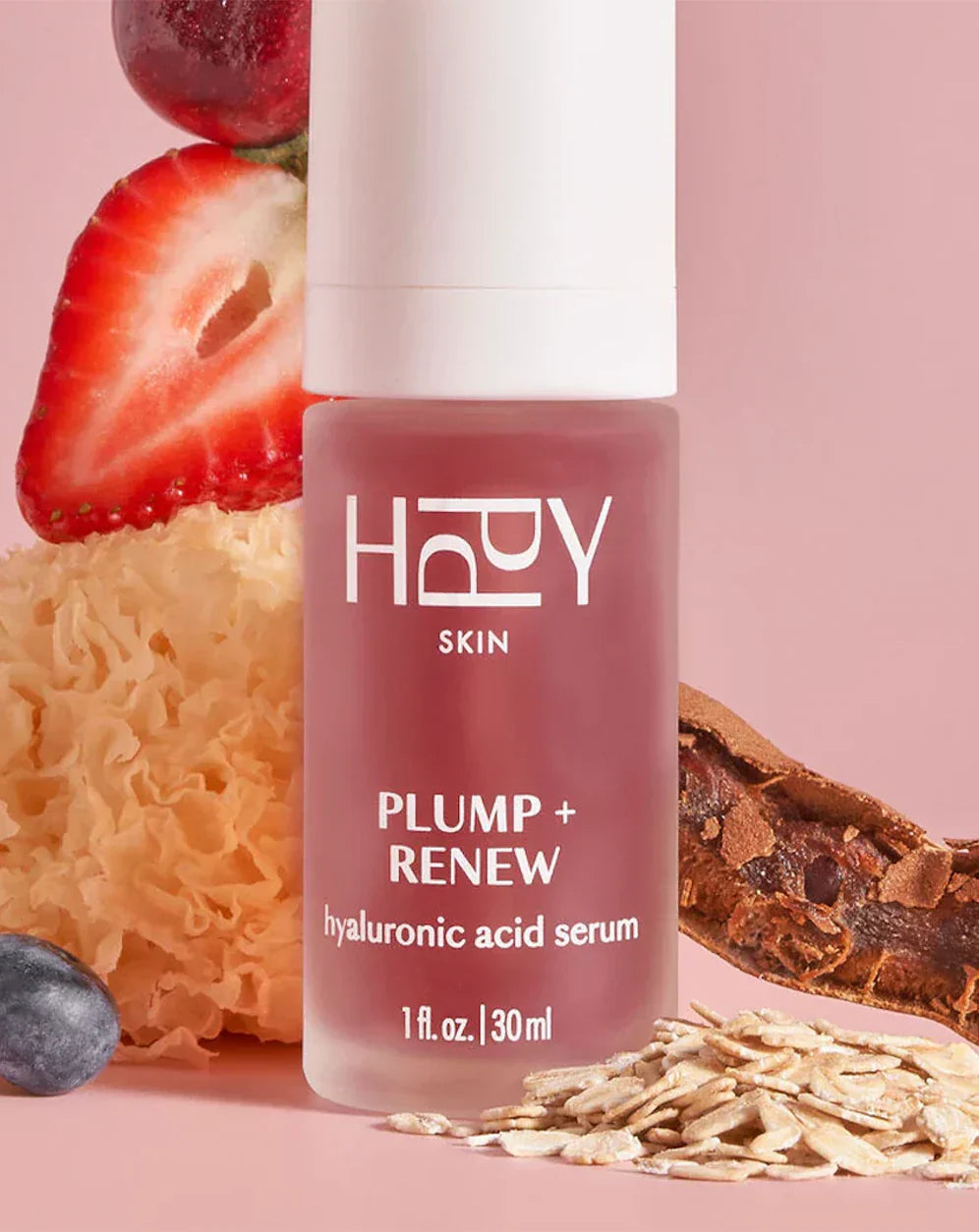
The good news is that you don’t need to choose between them. Our skincare products contain both high and low molecular weight hyaluronic acid (also known as multi-molecular-weight hyaluronic acid). The Plump + Renew Hyaluronic Acid Serum is enhanced with BioBerry Infusion™ that deeply hydrates, protects against free radicals, and visibly plumps, smooths, and restores skin’s firmness and radiance.

How to Use Skincare Products with Hyaluronic Acid
Here are the steps on how to use hyaluronic acid to your skincare routine.
1. Cleanse Your Skin
Start with a gentle cleanser to remove dirt, oil, and makeup. If your skin is clean, HA can absorb more effectively. Shop our collection of cleansers.
2. Apply While Skin Is Slightly Damp
After cleansing, apply your HA serum to slightly damp skin. HA draws water into the skin, so a little moisture helps it work better. Shop our Plump + Renew Hyaluronic Acid Serum.
3. Apply Sparingly
A few drops is usually enough. Gently pat it into your face and neck.
4. Layer with a Moisturizer
Seal in the hydration by layering a moisturizer on top. While HA attracts water, so without a moisturizer to protect the skin barrier, it can pull moisture from deeper skin layers. Shop our collection of moisturizers.
5. Apply Sunscreen
Apply sunscreen as the final protective layer that shields your skin from UV damage.
6. Frequency
HA can be used in both your morning and evening skincare routine.
Hyaluronic Acid Serum FAQs
Can I use HA with other serums?
Yes, HA works well with most serums including vitamin C, peptides, and antioxidants. Apply HA first for best absorption.
Can I use HA if I have sensitive skin?
HA is gentle and suitable for most skin types, including sensitive skin. Always patch-test new products to be safe.
How long does it take to see results?
You might notice instant hydration and plumper skin, while smoother fine lines and improved texture typically appear after a few weeks of consistent use.
Can HA replace my moisturizer?
No, HA hydrates, but moisturizer locks in that hydration. For best results, you should use both in your skincare routine.
Does HA help with acne?
HA keeps skin hydrated without clogging pores so it soothes irritation, balances oil, and helps your skin heal faster.
Read more
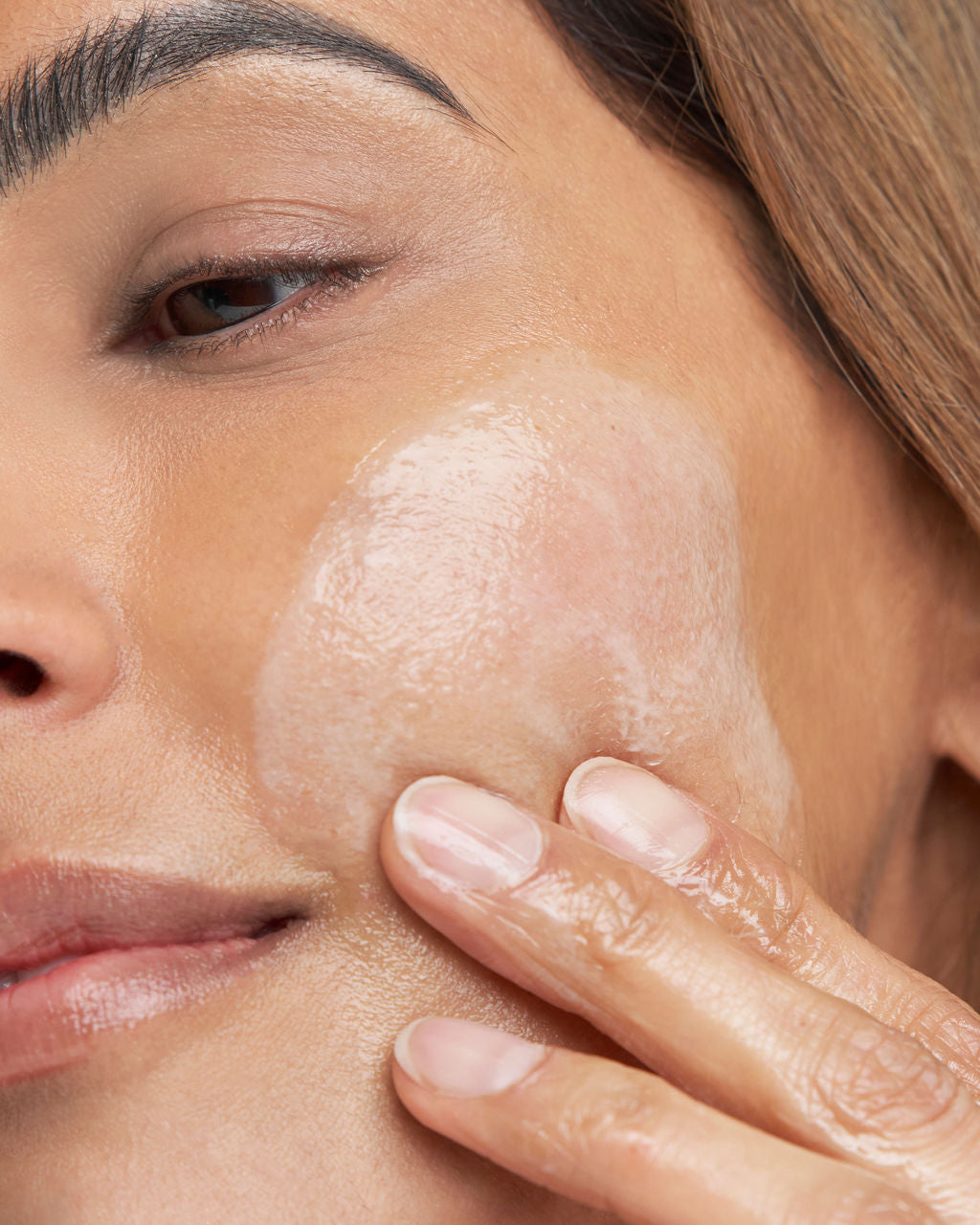
Accelerated aging happens when stress, UV exposure, and pollution break down collagen faster than your skin can repair it.
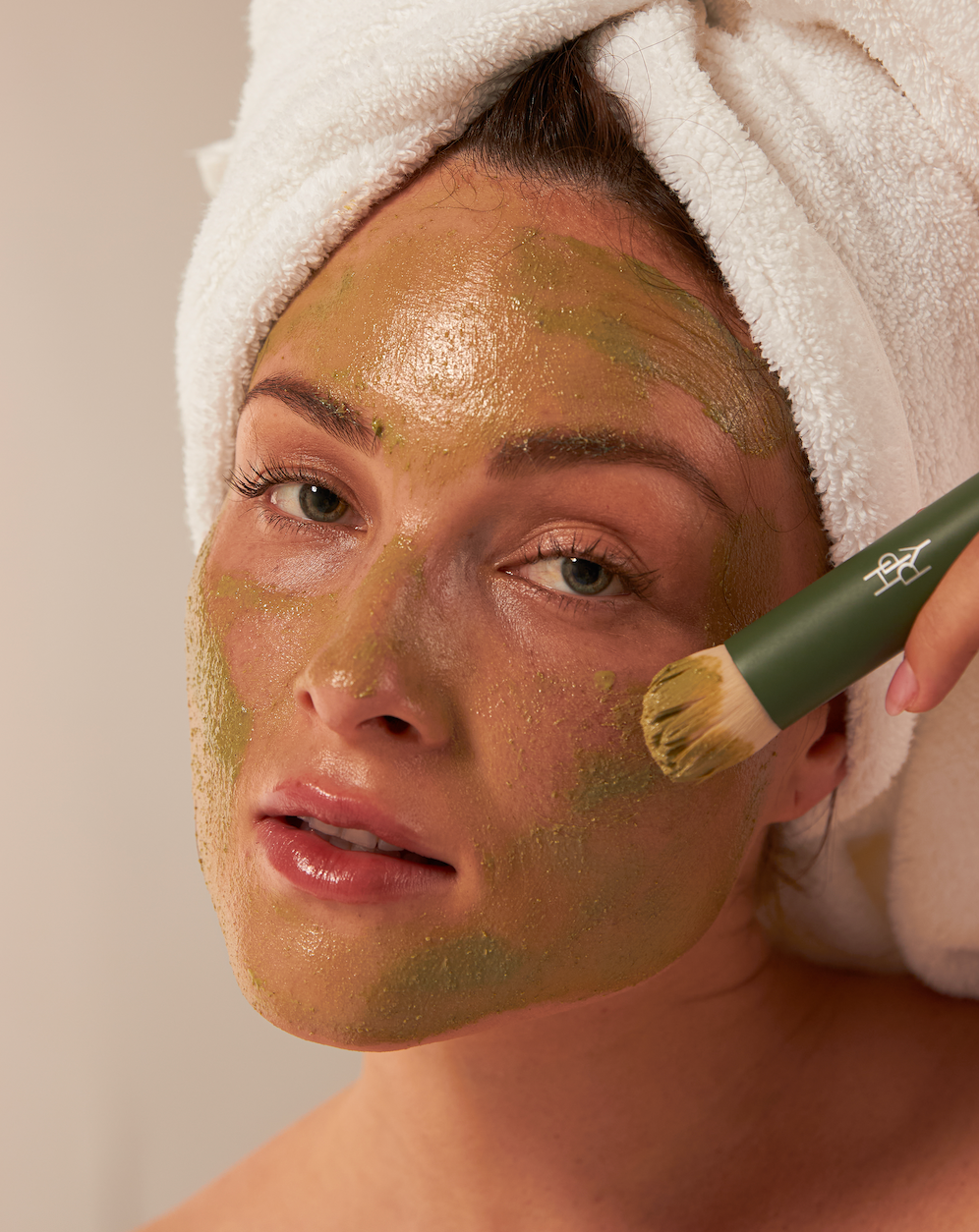
Discover pregnancy safe skincare, what to use, what to avoid, and how to keep your skin healthy, hydrated, and glowing throughout pregnancy.